
What You Need to Know About the 2026 Ebola Outbreak, the New Bundibugyo Strain, and Nigeria’s Preparedness
The word “Ebola” tends to stop Nigerians mid-sentence. And with good reason. The last time Ebola reached our shores, it arrived without warning on a commercial flight, moved through one of the most densely populated cities in the world, and claimed lives before anyone fully understood what was happening. Nigeria survived that moment and was celebrated globally for doing so.
But in May 2026, Ebola returned to Africa, this time wearing a different face. A new strain. A new outbreak. And once again, Nigeria is on alert.
This article unpacks what is happening, what makes this outbreak different from 2014, what the Nigerian government is doing, and most importantly, what you should know to stay safe.
The Last Time Ebola Came to Nigeria: 2014
In July 2014, Ebola entered Nigeria when Patrick Sawyer, a Liberian-American diplomat infected with the virus, arrived in Lagos and collapsed shortly after landing. What followed was a tense public health emergency as the disease spread from Lagos to Port Harcourt, infecting healthcare workers and claiming lives.
Among those who made the ultimate sacrifice was Dr. Ameyo Adadevoh, the physician who refused to allow Sawyer leave isolation despite intense pressure. Her decision is widely credited with preventing a much larger outbreak and remains one of the most defining moments in Nigeria’s public health history.
Despite the threat posed by one of the world’s deadliest diseases, Nigeria mounted a rapid and coordinated response that successfully contained the outbreak within just 93 days. Through aggressive contact tracing, emergency funding, strengthened airport screening, strict infection control measures, and widespread public awareness campaigns, the country limited the outbreak to 20 cases and 8 deaths.
Nigeria’s success became a global case study in effective epidemic response in managing infectious disease outbreaks
Fast Forward to 2026: A New Ebola Threat Emerges
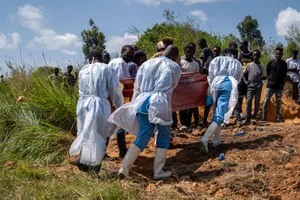
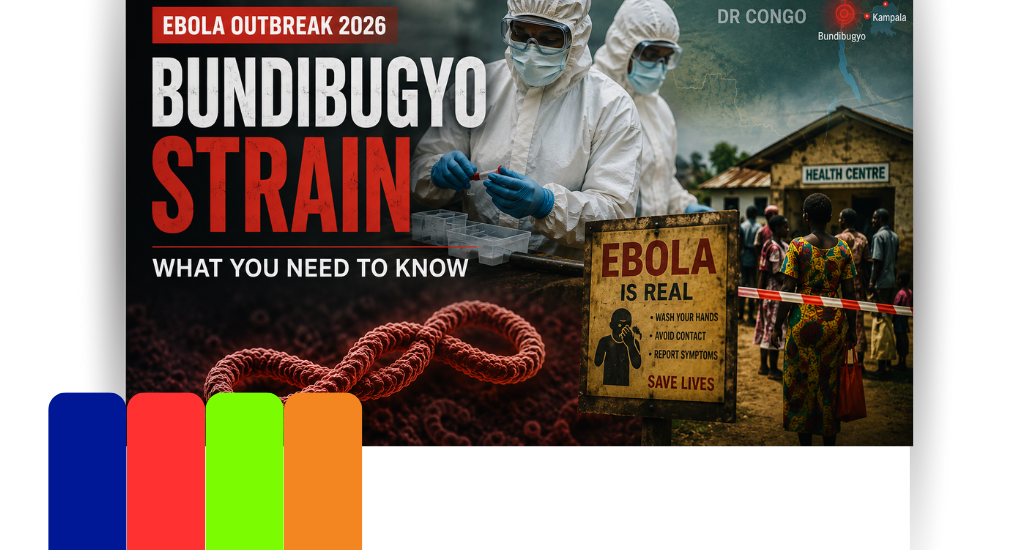
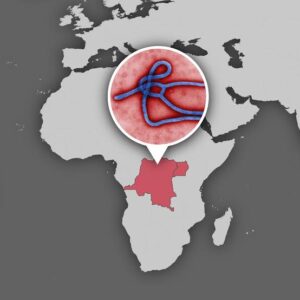
On May 15, 2026, the Democratic Republic of Congo (DRC) and Uganda simultaneously declared an outbreak of Ebola disease. The outbreak was confirmed to be caused by the Bundibugyo virus (BDBV), a rarer strain of Ebola previously seen only in Uganda (2007–2008) and the DRC (2012).
As at June 2026, there are:
- Over 1,003 confirmed cases and 254 deaths in DRC
- 19 confirmed cases and 2 deaths in Uganda
- Multiple health zones affected across Ituri and North Kivu provinces
- Cases suspected internationally
- No confirmed Ebola cases in Nigeria at the time of publication
But what Makes the Bundibugyo Strain Different and More Dangerous?
The Bundibugyo strain presents unique challenges that make this outbreak particularly concerning. Unlike the Zaire strain responsible for previous major Ebola outbreaks, there is currently no approved vaccine or targeted treatment specifically for the Bundibugyo virus. Although experimental vaccines and therapies are being developed and tested.
This means health authorities cannot rely on the same medical tools that helped contain the previous Ebola outbreaks.
The strain has also demonstrated a high fatality rate in previous outbreaks, with between 30% and 50% of infected individuals dying from the disease. Compounding the challenge is the fact that the current outbreak is occurring in a conflict-affected region of the Democratic Republic of Congo, where insecurity and displacement have weakened health systems and made surveillance and contact tracing far more difficult.
Together, these factors make the Bundibugyo outbreak more difficult to control and increase the risk of wider transmission if not managed aggressively.
Nigeria’s Ebola Risk: What the NCDC Is Saying?
Nigeria has not recorded a confirmed case linked to this outbreak. However, the NCDC has classified Nigeria’s risk of Ebola importation as HIGH.
Risk factors include:
- International travel
- Porous land borders
- Symptom overlap with malaria and Lassa fever
- Lack of vaccine or treatment for Bundibugyo virus
- Preparedness gaps at airports and borders
Measures currently in place include:
- Enhanced screening at international airports
- Mandatory NCDC Health Declaration Forms
- Readiness assessments in hundreds of health facilities
- Assessment of Ebola treatment centres
- Expanded laboratory testing capacity
- Intensified surveillance activities
- Continental response coordination with Africa CDC and WHO
How Does Ebola Spread? Know the Facts
Ebola DOES spread through:
- Direct contact with blood and body fluids
- Contact with contaminated materials and surfaces
- Contact with bodies of deceased Ebola patients
Ebola DOES NOT spread through:
- Airborne transmission
- Water or food
- Casual contact with asymptomatic individuals
- Mosquito bites
Common symptoms include fever, fatigue, muscle pain, headache, sore throat, vomiting, diarrhoea, abdominal pain, rash, unexplained bleeding, and signs of shock.
How to Protect Yourself and Your Community
- Complete NCDC travel health declarations when required
- Monitor your health after travel to affected areas
- Practise regular handwashing
- Avoid contact with bodily fluids of sick individuals
- Follow PPE and infection control guidelines
- Rely on verified information sources
- Seek medical attention immediately if symptoms occur after exposure
- Avoid spreading misinformation
While Nigeria is yet to record any confirmed case, the threat is real. The Bundibugyo strain presents unique challenges due to the absence of approved vaccines and treatments.
Nigeria’s greatest advantage remains the experience gained from the successful 2014 response. Early detection, rapid coordination, disciplined contact tracing, and public trust will once again be critical.
The window for preparedness is before the first suspected case is reported. Nigeria is in that window right now, and so are all of us.
At EHAI Nigeria, we are committed to keeping Nigerians informed, prepared, and connected to credible public health information.
Innovating for Healthier Lives.